
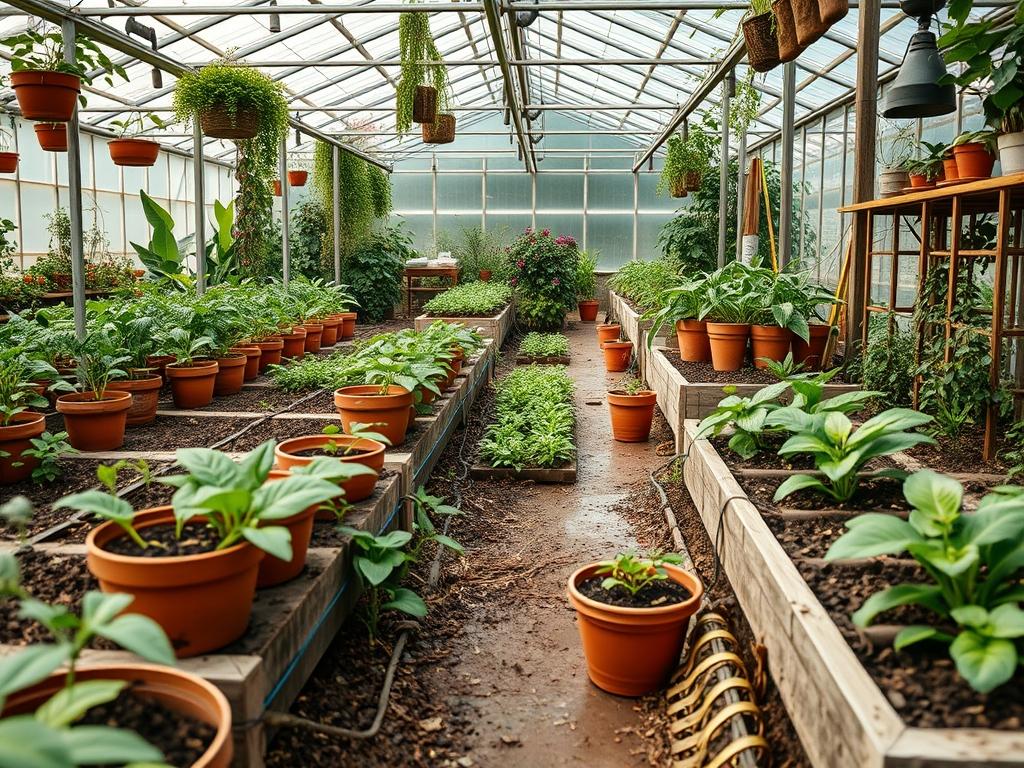
Every decision in professional landscape architecture serves a dual purpose: aesthetic cohesion and biological functionality. When planning a high-end herb garden, the selection between Terra Cotta and Plastic containers represents more than a simple stylistic preference. It is a choice that dictates the microclimate of the root zone, the frequency of irrigation, and the long-term durability of the installation. For a project to achieve maximum curb appeal while maintaining high horticultural standards, the designer must evaluate these materials through the lens of thermal mass, porosity, and structural weight. Terra Cotta, with its classic Mediterranean profile and earthy weight, provides a sense of permanence and architectural history. Conversely, high-quality Plastic or resin-based containers offer modern utility, moisture retention, and ease of mobility. The landscape architect must balance these factors against the specific needs of the botanical palette and the environmental variables of the site.
Landscape Design Principles
Successful container landscaping relies on the strategic application of visual balance and structural hierarchy. When integrating herbs into a broader garden plan, symmetry often serves as the foundational element. Using identical Terra Cotta urns to flank an entryway or line a primary Walkway creates a sense of formal order and rhythm. This symmetry directs the eye toward a central Focal Point, perhaps a large Rosemary shrub or a tiered fountain. In more contemporary designs, a series of sleek, dark-toned Plastic cubes can establish a minimalist aesthetic that complements industrial hardscaping. Elevation is another critical design layer. By varying the height of containers through the use of Pedestals, Retaining Walls, or built-in shelving, a designer can create a three-dimensional tapestry that maximizes limited space. This verticality is especially useful for herbs like Thyme or Oregano, which can spill over the edges of elevated pots to soften the hard lines of the masonry.
Irrigation planning must be integrated into the design phase rather than treated as an afterthought. For large-scale container installations, a hidden Drip Irrigation System is essential to ensure consistent hydration without the labor-intensive requirement of manual watering. Professionals often use 1/4-inch Micro-tubing and Pressure-Compensating Emitters to deliver precise volumes of water directly to the root ball. Visual balance also extends to the material texture. The rough, matte finish of aged clay containers provides a rustic contrast to smooth, polished stone or glass architectural features. Meanwhile, high-gloss synthetic containers can reflect light into darker corners of a patio, brightening the overall environment. Every container placed must contribute to the overall flow of the outdoor environment, ensuring that movement remains fluid and the transition between different garden zones is intuitive.
Plant and Material Selection
Selecting the right plant for the right container material is the hallmark of a seasoned consultant. Herbs with high drainage requirements thrive in porous environments, while moisture-loving species benefit from the non-porous nature of synthetics. The following table outlines the requirements for common herb selections within a professional landscape.
| Plant Type | Sun Exposure | Soil Needs | Water Demand | Growth Speed | Maintenance Level |
| :— | :— | :— | :— | :— | :— |
| Rosemary | Full Sun | Sandy, Loamy | Low | Moderate | Low |
| Sweet Basil | Full Sun | Compost-Rich | High | Fast | High |
| Lavender | Full Sun | Gritty, Alkaline| Very Low | Slow | Low |
| Mint | Partial Shade | Loam-based | High | Aggressive | Moderate |
| Thyme | Full Sun | Well-Drained | Low | Moderate | Low |
| Coriander | Full Sun | Light, Humus | Moderate | Fast | Moderate |
| Sage | Full Sun | Rocky, Lean | Low | Moderate | Low |
Implementation Strategy
The implementation of a container-based herb garden begins with meticulous site preparation and grading. Even for potted environments, the ground surface must be level and stable to prevent tipping and ensure even water distribution within the pot. A Leveling Tool and a Grading Rake are used to prepare a base of Crushed Limestone or Pea Gravel, which provides both stability and enhanced drainage for the area surrounding the containers. When placing heavy Terra Cotta pots, the use of Pot Feet is a professional secret. These small risers elevate the container 1 inch off the ground, allowing air to circulate underneath and preventing the drainage hole from becoming clogged by debris or roots.
Edging provides the crisp definition necessary for high-end curb appeal. Use Heavy-Duty Steel Edging or Concrete Pavers to delineate the transition between the herb garden and the turf. Once the containers are positioned, soil selection becomes the priority. A professional-grade Potting Mix containing Perlite, Vermiculite, and Peat Moss (or coco coir) ensures the proper cation exchange capacity and moisture retention. For Plastic pots, which retain heat and moisture, a mix with higher Perlite content is often preferred to increase aeration. After planting, a 2-inch layer of Mulch, such as Fine Cedar Bark or Decorative River Stone, should be applied to the soil surface. This layer suppresses weeds, regulates soil temperature, and provides a finished, professional look. Finally, the installation of a Root Barrier or Landscape Fabric beneath the gravel base prevents invasive weeds from migrating into the herb zone from the native subgrade.
Common Landscaping Failures
The most frequent failure in container landscaping is the lack of adequate drainage. Many decorative Plastic containers are sold without pre-drilled holes, leading to anaerobic conditions and root rot if the installer fails to use a High-Speed Drill to create openings. Even with holes, soil can leach out, or the openings can become obstructed. To prevent this, a layer of Non-Woven Geotextile Fabric should be placed over the holes before adding soil. Root overcrowding is another common mistake. Herbs like Mint have aggressive rhizomes that can quickly crack thinner Terra Cotta or become root-bound in small Plastic pots. Professionals anticipate this by selecting containers that provide at least 12 inches of depth for vigorous growers.
Improper spacing can lead to poor air circulation, which invites fungal pathogens like Powdery Mildew. In humid climates, containers should be spaced at least 6 to 12 inches apart to allow breeze to move through the foliage. Soil compaction is another silent killer. Over time, frequent watering causes fine soil particles to settle, reducing the oxygen available to the roots. Using a Soil Probe to check for density and periodically top-dressing with Organic Compost can mitigate this effect. Lastly, irrigation inefficiencies often stem from “perched water tables.” This occurs when a layer of coarse gravel is placed at the bottom of a pot under fine soil; contrary to popular belief, this actually impedes drainage. The soil must be consistent throughout the container to maintain a proper capillary pull.
Seasonal Maintenance
Maintenance requirements fluctuate significantly between Terra Cotta and Plastic as the seasons change. In the Spring, the focus is on revitalizing the soil and pruning back the woody growth of perennial herbs like Sage. This is the ideal time to apply a Slow-Release Granular Fertilizer with a balanced N-P-K Ratio. During the Summer, heat management is paramount. Dark-colored Plastic pots can absorb excessive UV radiation, potentially cooking the roots of delicate herbs. Shifting these containers to areas with afternoon shade or using Reflective Mulch can protect the plants.
As Autumn approaches, the growth rate slows, and water frequency should be reduced. This is the time to clean the exterior of Terra Cotta pots using a stiff Nylon Brush and a solution of Vinegar and water to remove mineral salt buildup and efflorescence. Winter presents the greatest challenge for clay. Because Terra Cotta is porous, it absorbs water which then expands upon freezing, causing the pot to shatter. Professional landscapers will either move these containers into a Greenhouse or wrap them in several layers of Burlap and Insulating Bubble Wrap. High-quality Plastic is generally frost-resistant; however, it should still be checked for brittleness and cracks caused by extreme temperature fluctuations.
Professional Landscaping FAQ
Which material is better for dry, windy climates?
Terra Cotta is superior for stability in high winds because of its significant weight. However, Plastic is often preferred for moisture retention, as clay pots lose water rapidly through their porous walls in arid, breezy conditions.
How do I prevent salt buildup on my clay pots?
To prevent white mineral crusting, use Filtered Water or Rainwater for irrigation. Periodically flush the soil with deep watering to leach out excess salts, and scrub the exterior with a Scouring Pad and diluted Citric Acid or vinegar.
Can plastic containers look high-end in a luxury landscape?
Yes. Modern Injection-Molded Resins can perfectly mimic the texture of stone, lead, or concrete. These high-end synthetics provide the desired aesthetic weight without the structural burden, making them ideal for installations on Balconies or Roof Decks.
Does the color of the pot affect herb growth?
Deeply. Dark containers, particularly Black Plastic, absorb significant thermal energy and can raise soil temperatures by 10 to 15 degrees. In hot summers, this can stress roots, whereas lighter-colored Terra Cotta reflects more light and stays cooler.
How often should I replace the potting soil in my containers?
In professional herb gardens, it is best practice to refresh the top 4 inches of soil annually. Every 2 to 3 years, a complete soil replacement is recommended to prevent the buildup of pathogens and restore the Physical Structure of the growing medium.