
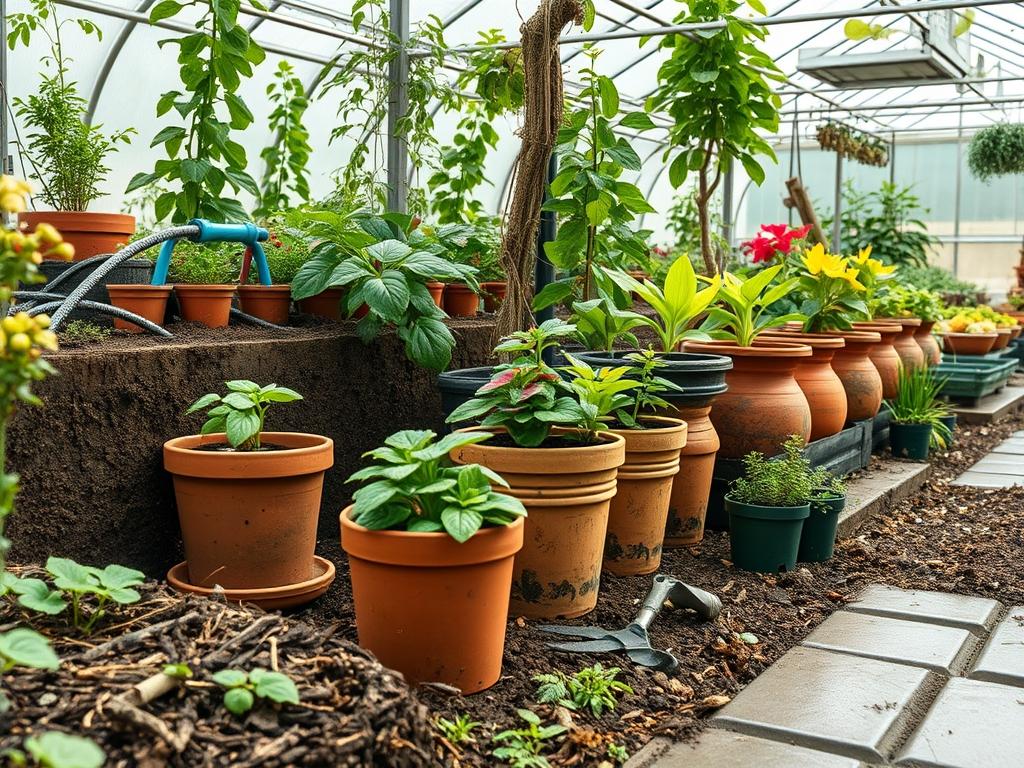
Container gardening serves as the architectural punctuation of a well designed landscape, offering versatility in height, texture, and color. However, the success of these focal points is often undermined by a lack of fundamental hygiene. As a senior landscape architect, I have observed countless residential and commercial projects where expensive plant specimens failed not because of poor irrigation or light, but because of residual pathogens in the vessels themselves. Cleaning used garden pots remains the most critical, yet frequently ignored, preventative measure in horticultural management. Pathogens such as fungi, bacteria, and viral strains can persist on the interior surfaces of containers for several seasons. When new soil and plants are introduced to a contaminated pot, the heat and moisture of the growing environment create a perfect incubator for these dormant threats. This risk is particularly high in professional settings where curb appeal is paramount; a single failing container in a symmetrical entryway arrangement can destroy the visual integrity of an entire design.
Proper sanitation is a core component of outdoor functionality and long term garden health. Beyond the biological risk, mineral salts from fertilizers and hard water accumulate over time, forming a crusty white residue known as efflorescence. This buildup can alter the pH of the new soil and physically wick moisture away from tender root systems. By prioritizing the process of cleaning used garden pots, we ensure a neutral and healthy environment that allows the professional landscape to thrive as intended. This practice aligns with the broader goals of environmental sustainability and resource management, as it extends the lifespan of high quality containers made of terra cotta, glazed ceramic, or stone composite.
Landscape Design Principles
In professional landscape architecture, containers are used to achieve specific design principles that ground the aesthetic of the space. Symmetry is perhaps the most common application, where matching pots flank a doorway or gate to create a sense of formality and order. For these arrangements to be successful, they must remain identical in health and vigor. If one pot is contaminated with a soil borne pathogen, the resulting asymmetry will detract from the architectural intent.
Focal points are another essential element. A single, large scale container can serve as a destination for the eye at the end of a long walkway or in the center of a courtyard. These focal points often house expensive, slow growing specimens like Boxwood or Japanese Maples, making the cost of failure high. Additionally, elevation layers are achieved by using pots of varying heights, which adds depth to flat landscapes. When planning these layers, the professional must consider how water drains from higher pots onto lower levels. If the top pot is not properly cleaned, pathogens can wash down and infect every subsequent container in the arrangement. Integration with hardscaping and irrigation planning ensures that these vessels function as permanent fixtures rather than afterthoughts. Using pressure compensated drippers and hidden irrigation lines within the containers allows for consistent moisture without the labor of manual watering.
Plant and Material Selection
Selecting the right plant for the right container is secondary only to ensuring that container is sterile. Below is a guide for common container specimens used in professional designs.
| Plant Type | Sun Exposure | Soil Needs | Water Demand | Growth Speed | Maintenance Level |
| :— | :— | :— | :— | :— | :— |
| Boxwood (Buxus) | Full Sun/Part Shade | Well-Drained | Moderate | Slow | Low |
| Lavender (Lavandula) | Full Sun | Sandy/Alkaline | Low | Medium | Medium |
| Japanese Maple | Part Shade | Rich/Acidic | Moderate | Slow | High |
| Ornamental Grass | Full Sun | Versatile | Low | Fast | Low |
| Hosta | Shade | Moist/Loamy | High | Medium | Low |
| Star Jasmine | Full Sun/Part Shade | Loamy | Moderate | Fast | Medium |
Implementation Strategy
The process of implementing a successful container garden starts long before the first bag of soil is opened. First, evaluate the site grading to ensure that the area where the pots will be placed is level and has adequate drainage. Standing water at the base of a pot can lead to root rot even if the internal soil is well drained. For large scale layouts, begin by marking the footprint of each vessel on the pavers or mulch to verify the visual balance of the site.
Next, focus on the physical preparation of the containers. Cleaning used garden pots involves a systematic approach. Start by using a stiff-bristled brush to remove all dry soil, roots, and mineral deposits from the interior and exterior walls. Submerge the pots in a solution containing one part bleach to nine parts water for at least 10 minutes. This duration is necessary to penetrate the porous surfaces of terra cotta and kill persistent fungal spores. After soaking, rinse the pots thoroughly with clean water and allow them to dry in direct sunlight, which provides additional ultraviolet sterilization.
Once a pot is dry, place a layer of geotextile fabric or mesh over the drainage hole to prevent soil migration while allowing water to pass. In large containers, avoid the old fashioned technique of adding a layer of gravel at the bottom. This actually creates a “perched water table” that can trap moisture near the roots. Instead, fill the entire volume with a high quality, sterile potting mix that contains perlite or pumice for aeration. When planting, ensure the root ball is positioned 1 inch below the rim of the pot to allow for efficient watering. Finally, apply a 2 inch layer of mulch or decorative stone to the surface to regulate temperature and moisture.
Common Landscaping Failures
The most frequent failure in container gardening is the reuse of old potting soil. This material becomes compacted over time, losing the essential air pockets that roots need to respire. Furthermore, old soil is a primary reservoir for pests like fungus gnats and pathogens. Even if the professional has been diligent about cleaning used garden pots, filling them with old soil will immediately reintroduce the very problems they sought to avoid.
Another common mistake involves improper drainage and irrigation. If a container lacks a sufficient drainage hole, or if that hole is blocked by being placed directly on a flat, non-porous surface, the plant will likely suffer from anaerobic conditions. Using pot feet or risers is a simple solution that lifts the vessel half an inch off the ground, facilitating airflow and water exit. We also see many failures related to root overcrowding. When a plant outgrows its container, the roots circle the interior, eventually becoming “root bound” and unable to absorb nutrients effectively. This stress makes the plant significantly more susceptible to diseases that might be lingering on an uncleaned pot surface.
Seasonal Maintenance
Landscape management is a year round commitment. In the spring, focus on cleaning used garden pots that were stored over the winter and refreshing the top layers of mulch. This is also the time to inspect drip irrigation emitters to ensure they are not clogged with mineral deposits. During the summer, monitoring moisture levels is critical as containers dry out much faster than the ground. A moisture meter is a valuable tool for ensuring consistency across multiple pots.
In autumn, as many annuals begin to fade, it is time to dismantle the arrangements. This is the ideal window for the deep cleaning process mentioned earlier. Do not leave soil in pots over the winter in cold climates, as the freeze-thaw cycle can cause ceramic and terra cotta to crack. Store clean, dry pots in a protected area. Winter maintenance involves checking the structural integrity of permanent winter containers, such as those housing evergreens, and ensuring they receive enough water during dry spells when the ground is not frozen. Consistent care throughout the seasons ensures that the hardware of your landscape remains as pristine as the plant material itself.
Professional Landscaping FAQ
How often should I clean my garden pots?
You should perform a deep cleaning every time you change the plant material or at least once per year. This prevents the buildup of pathogens and minerals that could compromise the health of future seasonal displays.
Can I use vinegar instead of bleach for cleaning?
Vinegar is an effective cleaner for removing mineral scales and efflorescence, but it is not as powerful a disinfectant as a 10% bleach solution. For disease prevention, bleach is the professional standard for sterilization.
Why does my terra cotta pot have white crust on the outside?
This is efflorescence, caused by salt and minerals moving through the porous clay and evaporating on the surface. While common, cleaning used garden pots helps remove these salts so they do not build up to toxic levels for plants.
Is it necessary to clean plastic nursery pots before reuse?
Yes, plastic can harbor the same pathogens as ceramic or clay. Even if the previous plant appeared healthy, microscopic spores may be present. A quick soak in a disinfectant solution ensures the safety of your new plantings.
What is the best way to clean very large, heavy pots?
For pots that cannot be submerged, use a pressure sprayer filled with a disinfectant solution. Thoroughly scrub the interior with a long-handled brush and rinse well, making sure the drainage area is completely cleared of debris.