
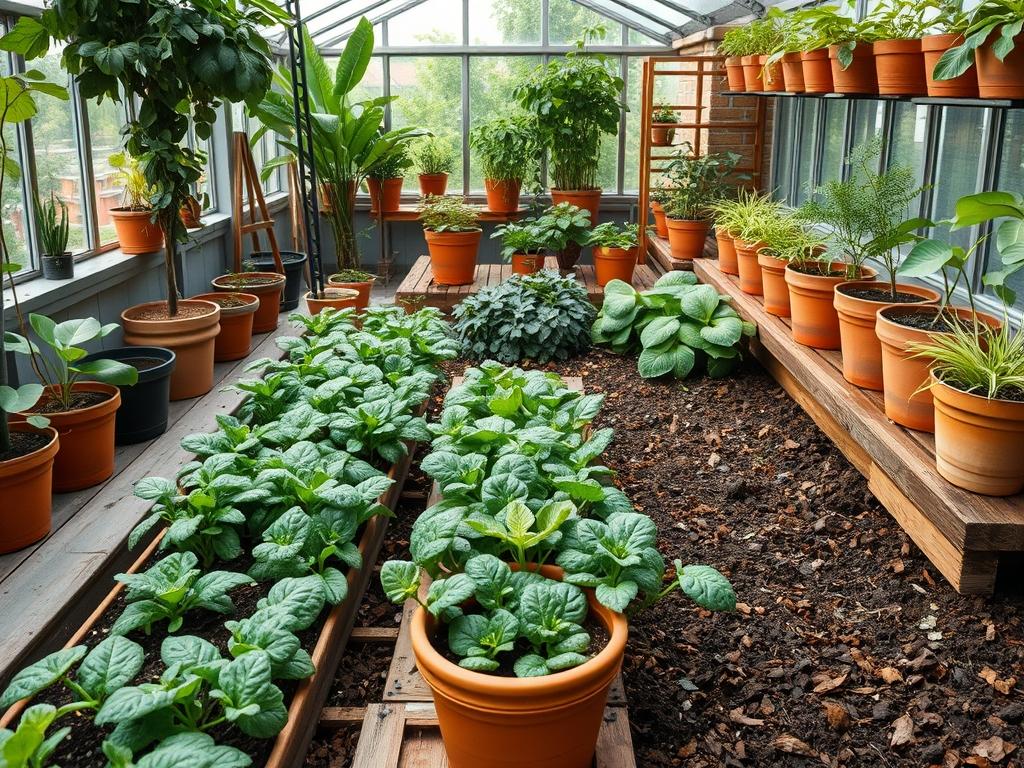
Urban balconies represent a unique frontier in modern landscape architecture, where the rigidity of concrete meets the fluidity of edible horticulture. Designers must navigate the constraints of limited square footage, weight load restrictions, and the intense micro-climates created by glass reflections and high-altitude wind currents. Unlike traditional backyard gardening, successful balcony vegetable layouts require a sophisticated understanding of vertical elevation and site-specific solar mapping. Each individual pot or planter functions as a self-contained ecosystem. These modules demand precise nutrient management and hydraulic planning to ensure the health of the flora without compromising the structural integrity of the building. Effectively merging aesthetics with utility creates a multi-functional outdoor room that increases the value of the residence while providing a sustainable food source.
The primary landscaping challenge in an urban setting is the management of the vertical plane. While a traditional garden spreads horizontally, the balcony garden must ascend. This shift in perspective allows the architect to use the wall as a scaffolding for growth, turning a two-dimensional slab into a three-dimensional green corridor. Weight distribution remains a critical factor. A standard residential balcony is typically engineered to support a specific live load, often around 40 to 60 pounds per square foot. When soil becomes saturated with water, its weight increases significantly. Consequently, the selection of lightweight aggregates and the strategic placement of larger containers over structural beams or near the building columns is a fundamental safety requirement. Beyond safety, the layout must address the visual curb appeal of the building. A disorganized collection of plastic pots detracts from the architecture. A curated arrangement of fiberglass planters or cedar troughs creates a cohesive look that complements the urban skyline.
Landscape Design Principles
In the realm of balcony vegetable layouts, symmetry and focal points serve to ground the space. A central focal point, such as a Dwarf Meyer Lemon Tree or a high-quality obelisk trellis covered in Sugar Snap Peas, provides an anchor for the eye. By placing larger architectural plants at the corners or against the main wall, the designer creates a sense of enclosure and privacy. This “nesting” effect reduces the psychological impact of being high above the ground and buffers the velocity of the wind. Using a tiered elevation strategy ensures that every plant receives its required quota of photosynthetic active radiation. Shorter, shade-tolerant greens like Butterhead Lettuce or Arugula occupy the lower layers, while sun-loving vines climb toward the railing.
Irrigation planning is arguably the most technical aspect of the design. Traditional hand-watering is often inconsistent in the windy, dry conditions of an elevated balcony. A professional layout incorporates a hidden Drip Irrigation System connected to an outdoor faucet or a discrete reservoir. This system uses 1/4-inch micro-tubing and emitters to deliver water directly to the root zone, minimizing evaporation and runoff. To maintain visual balance, walkways must be kept clear. A minimum width of 24 inches is recommended for primary access paths to ensure that the resident can prune and harvest without snagging clothing on the foliage. The use of repetitive materials, such as consistent pot colors or matching decorative mulch, ties the disparate elements together into a unified landscape composition.
Plant and Material Selection
| Plant Type | Sun Exposure | Soil Needs | Water Demand | Growth Speed | Maintenance Level |
| :— | :— | :— | :— | :— | :— |
| Cherry Tomato | 6-8 Hours | High Organic | High | Fast | High |
| Kale ‘Lacinato’ | 4-6 Hours | Nitrogen Rich | Moderate | Moderate | Low |
| Thai Basil | 6+ Hours | Well-Drained | Moderate | Fast | Moderate |
| Bush Beans | 6-8 Hours | Loamy | Moderate | Fast | Low |
| Dwarf Citrus | 8+ Hours | Acidic/Sandy | Low/Steady | Slow | High |
| Radish | 4-6 Hours | Loose/Light | Low | Very Fast | Very Low |
| Bell Pepper | 6-8 Hours | Phosphorus Rich | High | Moderate | Moderate |
| Swiss Chard | 4-6 Hours | Versatile | Moderate | Moderate | Low |
The choice of materials is just as vital as the plants themselves. For urban balconies, avoid heavy ceramic or terracotta pots which can crack in freeze-thaw cycles and add unnecessary weight. Instead, utilize UV-resistant resin or powder-coated aluminum containers. The growing medium should not be traditional garden soil, which is too dense and lacks proper aeration. A professional-grade potting mix consisting of sphagnum peat moss, perlite, and vermiculite offers the necessary porosity for container-bound roots.
Implementation Strategy
The transition from a design plan to a physical garden begins with a thorough cleaning of the balcony surface. Inspect the drainage grates to ensure they are free of debris; a blocked drain on a balcony can lead to localized flooding and structural damage. Once the site is prepared, mark the footprint of each planter using painter’s tape to verify that the walkway clearances are sufficient. If the layout includes heavy items, place them first. We recommend using pot feet or rolling casters to lift containers 1 to 2 inches off the floor. This provides essential airflow underneath the pots, preventing the growth of mold and protecting the balcony’s waterproof membrane.
Before adding soil, install a non-woven geotextile fabric at the base of the planters to prevent the loss of fine particles through the drainage holes. If deep containers are used, a layer of expanded clay pebbles (LECA) can be placed at the bottom to reduce the total volume of heavy wet soil while maintaining excellent drainage. When filling the containers, stop 2 inches below the rim to allow for a layer of organic mulch or pine bark. This depth prevents water from splashing out during irrigation cycles. Finally, install any necessary hardscaping elements, such as powder-coated steel trellises or modular wall panels. These should be securely anchored to the planters or the building walls using stainless steel hardware to resist wind uplift.
Common Landscaping Failures
The most frequent mistake in balcony vegetable layouts is the neglect of drainage dynamics. Unlike a backyard where water can seep into the earth, balcony water must be captured or directed. Improperly placed pots often lead to “tea staining” on the building facade or dripping onto the neighbors below. Using coordinated saucers or a centralized drainage tray solves this issue. Another common error is root overcrowding. Urban gardeners often try to fit too many Cucumber or Zucchini plants into a single 10-gallon container. This competition for nutrients stunts growth and increases the plant’s susceptibility to pests like Aphids or Spider Mites.
Soil compaction occurs when the potting medium is not refreshed annually. Over time, the organic components break down, leaving a dense mass that starves the roots of oxygen. This is particularly prevalent in Self-watering containers where the lower saturation zone can become anaerobic. Furthermore, irrigation inefficiencies often stem from a lack of environmental awareness. A balcony on the 15th floor experiences much higher evaporation rates than one on the ground floor. Failing to adjust the irrigation timer to account for high-wind days can result in the rapid desiccation of delicate crops like Spinach or Coriander.
Seasonal Maintenance
Seasonal management is the key to a perennial harvest. In the Spring, focus on soil remediation. This involves removing the top 3 to 4 inches of old mix and replacing it with fresh compost and a slow-release organic fertilizer. This is also the time to inspect the drip emitters for mineral buildup and to clean them with a vinegar solution if necessary. As the season warms, check the tension on any climbing nets or wires used for vertical support.
During the Summer, peak maintenance involves vigilant hydration and pest monitoring. Urban micro-climates can reach temperatures 10 to 15 degrees higher than the surrounding area due to heat radiation from the building’s skin. Applying a liquid seaweed extract every two weeks can help plants cope with this heat stress. In Autumn, harvest the final summer crops and transition to cool-weather varieties. This is the period to prune back woody herbs like Rosemary or Lavender to maintain their structural shape.
In Winter, the primary goal is protection. In cold climates, containers should be wrapped in burlap or moved against the warmest wall of the building to prevent the root balls from freezing solid. If the balcony is particularly exposed, consider using frost blankets during peak cold snaps. For those who wish to keep the space productive, winter is the ideal time to plan the next year’s crop rotation, ensuring that heavy feeders like Tomatoes are not planted in the same soil that was used for them the previous year.
Professional Landscaping FAQ
How do I calculate if my balcony can handle the weight?
Consult your building’s structural engineer or original blueprints. Generally, a 5-gallon bucket of wet soil weighs about 40 pounds. Distribute this weight along the building’s edge or structural columns rather than the center of the slab.
What is the best way to prevent wind damage?
Use heavy, wide-based containers and secure vertical structures to the railing using heavy-duty zip ties or clamps. Fast-growing evergreen shrubs or dense lattices can serve as an effective windbreak to protect more fragile vegetable crops.
Can I grow vegetables in a completely shaded balcony?
Yes, but you must select the right species. Focus on leafy greens and herbs such as Lettuce, Kale, Mint, and Parsley. These plants require only 3 to 4 hours of indirect light to thrive in an urban environment.
What irrigation system is best for a small space?
A gravity-fed drip system or a small solar-powered pump kit connected to a rain barrel is highly efficient. These systems deliver water slowly, which prevents the messy runoff often associated with high-pressure garden hoses or large watering cans.
How often should I replace the soil in my planters?
You do not need to replace all the soil every year. Instead, refresh the top one-third of the container with high-potency compost and earthworm castings. Completely replace the potting medium every three to four years to prevent pathogen buildup.