
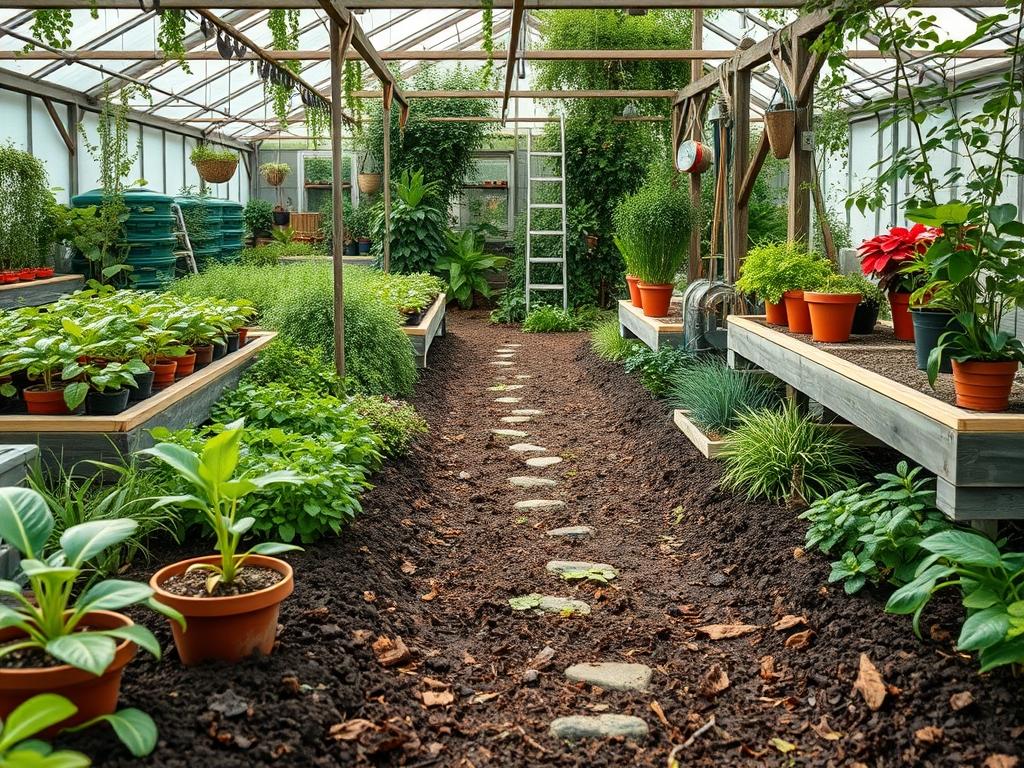
Success in high-end residential landscaping depends on the invisible mechanics of the root zone. When designing container gardens, rooftop terraces, or sophisticated raised beds, the primary challenge involves preventing the growing medium from collapsing into a dense, anaerobic mass. A poorly aerated substrate leads to root suffocation, fungal pathogens, and the eventual failure of expensive specimen plants. From a professional standpoint, the soil is the engine room of the landscape. If the engine fails, no amount of decorative Mulch or high-quality Irrigation can save the aesthetic integrity of the project. We focus on Potting Mix Amendments not merely as additives, but as structural components that define the longevity and curb appeal of the outdoor environment. By prioritizing gaseous exchange and hydraulic conductivity, we ensure that the landscape functions as a living, breathing architectural extension of the home.
High-performance landscapes require a balance between water retention and rapid drainage. In urban environments where space is a premium, containerized plants often serve as essential Focal Points that provide privacy and thermal cooling. However, these environments are harsh. The fluctuating temperatures of a stone patio or a concrete balcony can bake the soil, while frequent watering can leach out nutrients and compact the medium. Utilizing advanced Potting Mix Amendments allows the landscape architect to engineer a customized environment for each plant species, ensuring that Japanese Maples or Agave receive the exact micro-conditions they require. This precision engineering reduces the need for frequent replacements, protecting the client’s investment and maintaining the visual balance of the site throughout the seasons.
Landscape Design Principles
Effective landscape design relies on the core tenets of symmetry, elevation, and visual hierarchy. When planning a site, we use Elevation Layers to create depth and interest. This often involves the use of Retaining Walls and tiered planters. The health of the plants within these structures is dictated by the structural stability of the soil. If a soil mix lacks proper aeration, it will settle and shrink over time, which ruins the symmetry of the planting scheme and leaves unsightly gaps between the soil and the container wall. Therefore, incorporating stable, inorganic amendments is a design necessity.
Furthermore, we must consider the flow of the human experience through the space. Walkways and sitting areas are often framed by large-scale pots. If these pots do not drain properly, they can leak stained water onto expensive pavers or natural stone, creating a slip hazard and a maintenance nightmare. By ensuring high porosity through proper amendment selection, we manage the movement of water through the system. This allows the Irrigation System to function efficiently, delivering moisture to the roots without saturating the surrounding hardscape. A well-drained pot is a clean pot, and cleanliness is a hallmark of professional landscape management.
Plant and Material Selection
| Plant Type | Sun Exposure | Soil Needs | Water Demand | Growth Speed | Maintenance Level |
| :— | :— | :— | :— | :— | :— |
| Japanese Maple | Partial Shade | High Porosity, Acidic | Moderate | Slow | Medium |
| Lavender | Full Sun | Gritty, Extremely Well-Drained | Low | Moderate | Low |
| Boxwood Hedge | Full to Part Sun | Loamy, Aerated | Moderate | Slow | High |
| Fountain Grass | Full Sun | Loose, Sandy Loam | Moderate | Fast | Low |
| Agave | Full Sun | Mineral-heavy, Rapid Drainage | Minimal | Slow | Very Low |
| Hydrangea | Partial Shade | Moisture-retentive, Porous | High | Fast | Medium |
The selection above highlights why a one size fits all soil approach is insufficient. A Hydrangea requires amendments that hold water while still allowing oxygen to reach the roots, whereas an Agave needs a mix that is almost entirely inorganic to prevent rot.
Implementation Strategy
The transition from a design concept to a living garden requires a systematic implementation strategy. We begin with a site analysis to determine the Grading and natural flow of water. For container-heavy designs, we often install a Drainage Layer of Expanded Clay Pebbles or coarse gravel at the base of each vessel. This acts as a reservoir and prevents the drainage holes from being clogged by fine particulate matter. When mixing the primary substrate, the 10 essential Potting Mix Amendments are selected based on the specific needs of the botanical palette.
1. Perlite: This volcanic glass is an industry standard. It provides exceptional aeration and is lightweight, making it ideal for large planters on balconies where weight is a concern.
2. Pumice: Unlike perlite, Pumice does not float to the surface during heavy rain. It provides structural weight and permanent air pockets.
3. Vermiculite: Best for moisture-loving plants, it expands the soil structure while holding onto essential nutrients.
4. Biochar: This carbon-rich material provides a permanent home for beneficial microbes while maintaining soil porosity for decades.
5. Aged Pine Bark: Small nuggets of bark create large macropores in the mix, aiding in the rapid movement of water.
6. Coco Coir Chips: These provide a sustainable alternative to peat and resist compaction far longer than traditional organic fibers.
7. Coarse Silica Sand: Essential for succulents and cacti, it increases the bulk density and improves drainage speed.
8. Rice Hulls: A renewable resource that adds aeration and slowly breaks down to add silica to the soil, strengthening plant cell walls.
9. Lecca (Expanded Clay): These round pebbles are perfect for bottom drainage or as a top decorative layer to prevent evaporation.
10. Diatomaceous Earth (Granular): This mineral amendment holds a significant amount of water in its pores while providing excellent aeration and physical pest resistance.
Once the mix is prepared, we focus on Edging and Mulch Depth. A three-inch layer of organic mulch or decorative stone is applied to the surface to regulate temperature. In the backyard or garden layout, we ensure that every planter is integrated into a central Drainage plan to prevent standing water near the home’s foundation.
Common Landscaping Failures
The most frequent failure we encounter in professional consulting is soil compaction. Over time, organic matter breaks down. If a mix is 100 percent organic, it will eventually turn into a dense muck that excludes oxygen. This leads to the “death by a thousand cuts” for many Boxwood hedges and ornamental shrubs. Another critical error is the misuse of Irrigation. Many homeowners believe that if a plant is drooping, it needs more water. In a compacted soil environment, drooping is often a sign of root rot caused by too much water and too little air.
Improper spacing is another design flaw. When plants are crowded, air circulation is restricted both above and below the ground. This creates a humid microclimate that encourages powdery mildew and root pathogens. Furthermore, failing to account for the root spread of aggressive species can lead to the destruction of Retaining Walls and the clogging of underground pipes. We mitigate these risks by using root barriers and ensuring the soil mix has enough structural integrity to resist the crushing force of expanding root systems.
Seasonal Maintenance
Landscape management is a year-round commitment. In the Spring, we focus on core aeration for lawn areas and refreshing the top layers of potting mixes with fresh Biochar and Compost. This is also the time to inspect Irrigation lines for leaks or blockages caused by winter freezes. As we move into Summer, moisture management becomes paramount. We monitor the water-holding capacity of the containers and may add a top dressing of Coco Coir to help retain hydration during heatwaves.
Autumn is the season for structural maintenance. We clear fallen leaves that can mat down and block drainage in beds and pots. This is also the ideal time to add Aged Pine Bark to the soil, as it will slowly integrate over the winter months. Finally, in Winter, we protect vulnerable root systems from the freeze-thaw cycle. In colder climates, we may wrap large containers in insulating material or move them to sheltered areas to prevent the pot from cracking and the soil from becoming a solid block of ice, which can kill even the hardiest species.
Professional Landscaping FAQ
What is the best amendment for heavy clay soil?
Coarse Pumice or Aged Pine Bark are superior because they create permanent air channels. Avoid fine sand, which can mix with clay to create a concrete-like consistency that further restricts drainage and root growth.
How often should I replace my potting mix?
In high-performance landscapes, plan to refresh the top third of the soil every two years. Every five years, a complete replacement is recommended to remove built-up salts and consolidated organic matter that has lost its structural integrity.
Does perlite affect the pH of my soil?
No, Perlite is pH neutral and chemically inert. It is an excellent choice for a wide variety of plants, including acid-loving species like Camellias and Azaleas, as it will not interfere with nutrient uptake.
Can I use biochar in every planter?
Yes, Biochar is a phenomenal long-term investment. It improves aeration, retains nutrients, and supports the soil microbiome. Ensure the biochar is “charged” with compost or liquid fertilizer before application to avoid initial nutrient drawdown.
What is the fastest way to fix a waterlogged pot?
Immediate intervention requires a Hand Trowel to gently aerate the surface. Long-term, you must improve the drainage by adding Perlite or Rice Hulls. If the pot lacks sufficient holes, use a masonry bit to add more.