
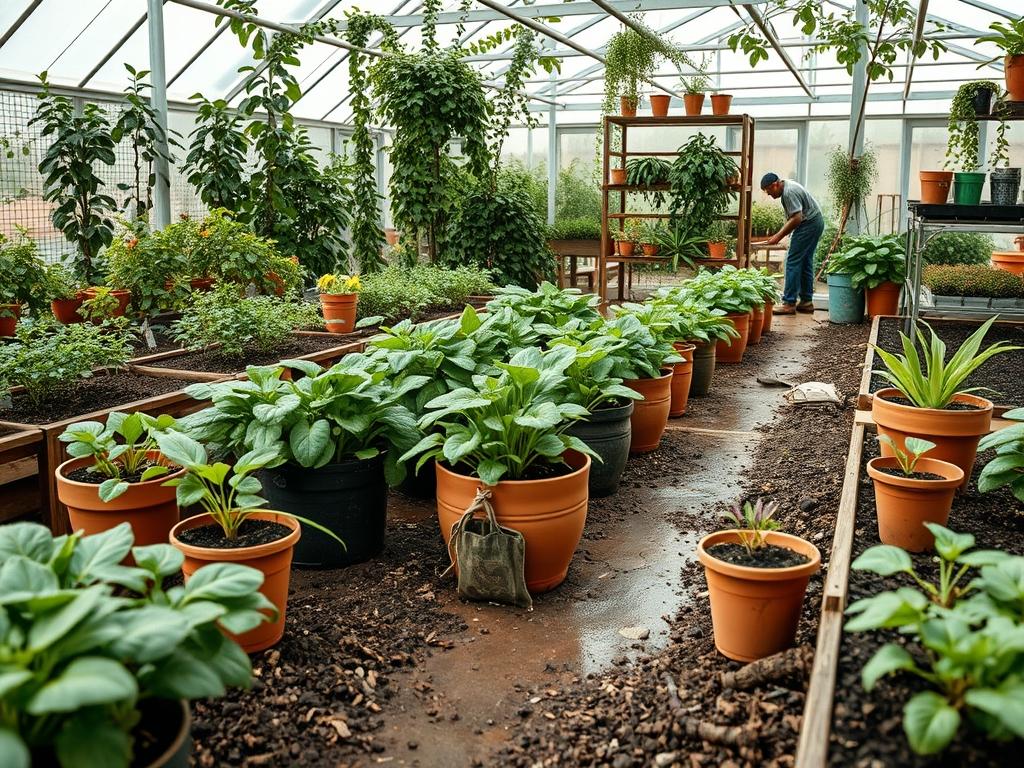
Maintaining the health of containerized specimens is a critical component of any comprehensive landscape architecture plan. While ground-level plantings often receive the bulk of a designer’s attention, the portable ecosystems within pots and planters define the character of patios, decks, and entryways. Over time, even the most resilient species will outgrow their enclosures. This phenomenon, known as being root-bound, can lead to stunted growth, nutrient deficiencies, and a visible decline in curb appeal. Recognizing the subtle signs of a plant struggling against its ceramic or plastic walls is the first step toward restoring its vigor. Within a professional landscape framework, the goal is not merely to move a plant to a bigger box; it is to ensure that the transition enhances the overall outdoor functionality and aesthetic balance of the environment.
Landscape Design Principles
In the realm of high-end landscape design, containers serve as moveable architecture. They allow for the introduction of symmetry in asymmetrical spaces, such as placing a pair of Boxwood shrubs on either side of a non-centered doorway. When a plant becomes root-bound, its silhouette often becomes sparse, which disrupts this visual balance. A senior architect views the container and the plant as a single unit that provides vertical interest. By repotting root-bound specimens, we maintain the integrity of focal points. A lush, thriving plant draws the eye and anchors the space, whereas a yellowing, struggling plant creates a visual void that detracts from the surrounding hardscaping.
Elevation layers are equally important in garden planning. Using tiered planters of varying heights creates a sense of depth, but this effect relies on the plants’ ability to fill their designated volumes. Irrigation planning must also be adjusted when plants are root-bound. Because there is more root mass than soil in a bound pot, the water-holding capacity of the vessel drops significantly. This imbalance requires the designer to reassess how these containers integrate with automated drip systems. Transitioning a plant to a larger vessel with fresh, organic-rich soil restores the hydraulic equilibrium of the container, ensuring that the irrigation schedule remains efficient and the plant stays hydrated.
Plant and Material Selection
The following table outlines common landscape plants that frequently require repotting and their specific environmental requirements for successful transition.
| Plant Type | Sun Exposure | Soil Needs | Water Demand | Growth Speed | Maintenance Level |
| :— | :— | :— | :— | :— | :— |
| Japanese Maple | Partial Sun | Acidic, Well-drained | Moderate | Slow | High |
| African Lily | Full Sun | Loamy, High Organic | Moderate | Fast | Low |
| Dwarf Citrus | Full Sun | Gritty, Sandy Loam | High | Moderate | Medium |
| Snake Plant | Shade to Sun | Cactus Mix | Low | Slow | Low |
| Fountain Grass | Full Sun | Adaptable | Low | Fast | Medium |
| English Ivy | Shade | Moisture Retentive | Moderate | Fast | Moderate |
Selecting the right materials for the upgrade is just as vital as the plant itself. Terracotta offers breathability for moisture-sensitive roots, while fiberglass provides a lightweight yet durable option for modern rooftop gardens. When choosing soil, look for high-quality potting mix containing perlite, vermiculite, and pine bark to facilitate aeration and drainage.
Implementation Strategy
The process of repotting begins with a thorough assessment of the plant’s current state. If water runs straight through the pot or if roots are emerging from the drainage holes, the plant is likely ready for a new home. To begin the transition, select a new container that is approximately 2 to 4 inches wider in diameter than the current one. Increasing the size too drastically can lead to “over-potting,” where the excess soil remains saturated for too long, potentially causing root rot.
To remove the plant, turn the pot on its side and gently tap the rim or compress the sides if the container is flexible. Once the plant is free, you will likely see a dense mat of circling roots. This is where stress-free intervention is required. Use a sharp hori-hori knife or pruning shears to make three or four vertical cuts into the root ball. These incisions should be about 1 inch deep. This process, known as scoring, encourages the roots to grow outward into the new soil rather than continuing to circle the phantom walls of the old pot. Gently tease out the bottom roots with your fingers to ensure they make direct contact with the new medium.
Before placing the plant, check the drainage holes of the new container and cover them with a small piece of landscape fabric or a shard of broken pottery to prevent soil loss. Add a base layer of fresh soil so that when the plant is seated, the top of the root ball sits about 1 inch below the rim of the pot. This space, called “headroom,” is essential for effective watering. Fill the perimeter with soil, tamping it down lightly with your thumbs to eliminate large air pockets, but do not compress it so much that you destroy the soil structure. Finish by applying a thin layer of fine-bark mulch to the surface to retain moisture and provide a polished finish.
Common Landscaping Failures
One of the most frequent mistakes in managing containerized landscapes is ignoring the relationship between drainage and soil compaction. Over time, the organic matter in potting soil breaks down, causing the particles to settle and eliminate the macropores necessary for oxygen exchange. When a plant is root-bound, this compaction is accelerated. If you simply move a bound plant into a new pot without breaking up the old root mass, the dense core will stay dry while the new outer soil stays wet, leading to a strange paradox where the plant suffers from both drought and rot simultaneously.
Another common failure point involves improper spacing in multi-plant arrangements. Designers often pack plants too tightly for immediate impact, forgetting that each species has a unique root growth rate. In a mixed container, a vigorous Sweet Potato Vine may quickly choke out a slower-growing Geranium, leading to a lopsided aesthetic and premature root-binding for the subordinate plants. Furthermore, failing to account for the perched water table (the layer of saturation at the bottom of a pot) often leads to root death. Professional installers avoid this by using professional-grade mixes and ensuring that the grading of the patio surface allows water to flow freely away from the base of the pots.
Seasonal Maintenance
Landscape management is a year-round commitment that changes with the cycles of the sun and temperature. In the Spring, focus on expansion. This is the optimal time for repotting as the plant enters its active growth phase. The increase in daylight and warmth helps the roots settle quickly into their new environment. Apply a slow-release fertilizer during this stage to support the development of new foliage.
During the Summer, maintenance shifts to hydration and heat management. Check the moisture levels of containerized plants daily, as the increased surface area of a larger pot may cause faster evaporation initially. In the Autumn, as growth slows, avoid heavy pruning or repotting unless absolutely necessary. This is the time to check the stability of your containers against increasing wind speeds. Finally, in the Winter, protection is the priority. Move sensitive containers closer to the house or wrap them in burlap to insulate the root zone against freezing temperatures. Dormant plants require very little water, but they should never be allowed to dry out completely.
Professional Landscaping FAQ
How can I tell if a plant is root-bound without removing it?
Check for roots creeping across the soil surface or escaping through drainage holes. If the plant wilts quickly even after watering, the root-to-soil ratio is likely too high, indicating the plant has outgrown its current vessel.
What is the best soil for large outdoor containers?
A high-quality, soil-less potting mix is preferred. These mixes typically contain peat moss or coconut coir for moisture, along with perlite or pumice for aeration. Avoid using heavy garden soil, which compacts and prevents drainage.
Can I repot my plants durring a heatwave?
It is generally discouraged. Repotting creates temporary stress as the plant adapts to its new medium. High temperatures increase transpiration rates, which can overwhelm a plant with a disturbed root system. Wait for a cool, overcast day.
How do I handle a plant with girdling roots?
Girdling roots encircle the main stem and can eventually strangle the plant. Carefully prune these away with clean hand pruners before repotting. Making clean cuts is essential to prevent disease and encourage new, healthy root branching.
Does mulch help in a container environment?
Yes, a 1-inch layer of mulch regulates soil temperature and reduces evaporation. It also prevents soil from splashing onto the foliage during watering, which reduces the risk of fungal infections and keeps the presentation clean and professional.