
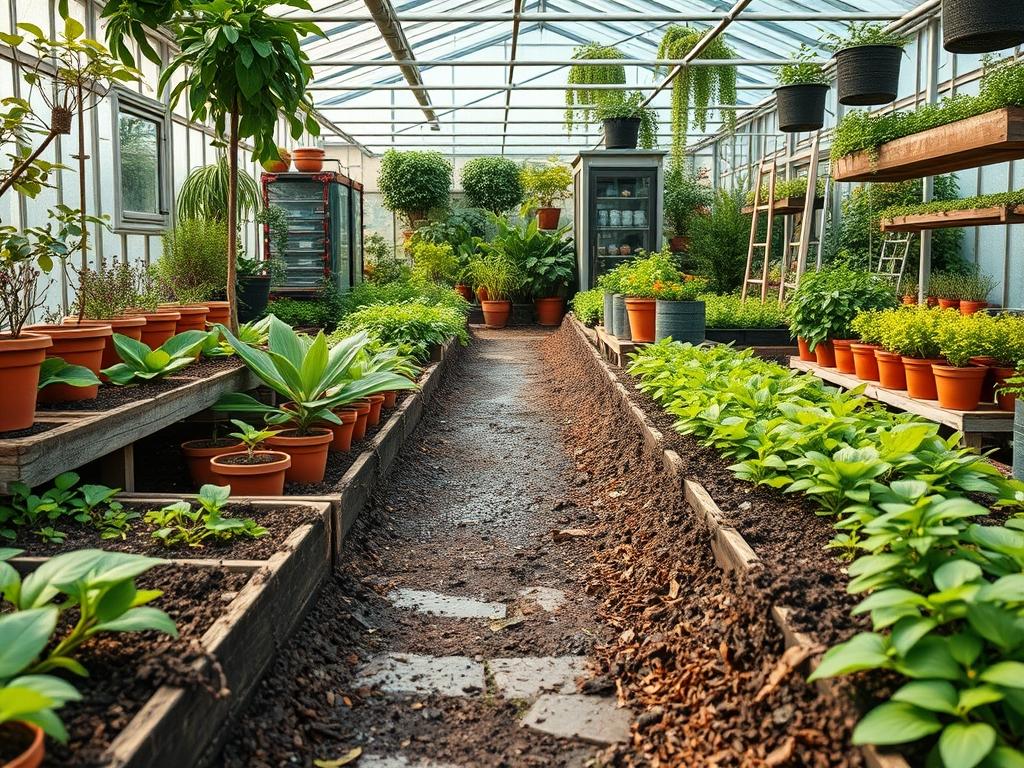
The landscape architecture industry is currently navigating a pivotal transition in material procurement as professional standards shift toward environmental longevity. As we approach 2026, the use of Peat-Free Potting Mix has evolved from a niche environmental preference to a fundamental requirement for high-end residential and commercial projects. This shift is driven by a dual necessity. First, the ecological preservation of peat bogs is critical for carbon sequestration; second, the evolving regulatory landscape is quickly moving toward restricted peat sales for consumer and professional use. For a landscape architect, the challenge lies in maintaining exceptional curb appeal and structural plant integrity while adapting to these new substrate technologies. Successful outdoor environments now require a deep understanding of how non-peat alternatives, such as coconut coir, wood fiber, and composted bark, interact with local climate conditions. Integrating these sustainable mediums into a garden plan ensures that the landscape remains vibrant and functional for decades, rather than just a single season.
Landscape Design Principles
Professional landscape design relies on historical principles that remain constant despite changes in soil technology. Symmetry and visual balance provide the framework for any formal garden, yet these rely heavily on the uniform growth of the plant material. When using a Peat-Free Potting Mix, the drainage characteristics change, which directly influences how we design focal points. For instance, a central ornamental tree requires a more stable root zone than peat often provides. Because modern sustainable mixes offer superior structural stability, they allow for sharper elevation changes in tiered garden beds without the risk of substrate collapse or excessive shrinking over time.
Layering is another essential principle. This involves arranging plants in heights that range from groundcovers to mid-level shrubs and high-canopy trees. In a peat-free system, the water retention and air-filled porosity are often higher, meaning that different elevation layers stay hydrated more consistently. This influences our irrigation planning significantly. Instead of broad-stroke watering, we can design more precise drip irrigation zones. These zones account for the fact that professional-grade sustainable mixes do not become hydrophobic as easily as traditional peat when they dry out.
Walkways and circulation paths must also be integrated with the soil strategy. As we place pavements and walkways, the transition between the hardscape and the planting bed is where most failures occur. By utilizing a high-quality sustainable substrate, we reduce the leaching of fine particles onto stone surfaces, maintaining the aesthetic purity of the hardscaping. Use edging materials like powder-coated aluminum or weathering steel to define these boundaries, ensuring that the nutrient-rich mix stays exactly where the plant roots can access it.
Plant and Material Selection
The following table outlines high-performance plant species that excel when paired with a sustainable, peat-free growing medium in diverse landscape settings.
| Plant Type | Sun Exposure | Soil Needs | Water Demand | Growth Speed | Maintenance Level |
| :— | :— | :— | :— | :— | :— |
| Lavandula angustifolia | Full Sun | High Drainage | Low | Moderate | Medium |
| Fatsia japonica | Part Shade | High Organic Matter | Moderate | Fast | Low |
| Heuchera (Coral Bells) | Partial Sun | Moist, Well-Drained | Moderate | Moderate | Low |
| Carex oshimensis | Full to Part Shade | Consistent Moisture | Moderate | Moderate | Low |
| Hydrangea macrophylla | Part Shade | Nutrient Dense | High | Fast | Medium |
| Cornus sericea | Full Sun to Part Shade | Loamy, Peat-Free | High | Fast | Low |
Implementation Strategy
Planning a backyard or garden layout requires a strategic, phased approach. The first phase is grading. Before any Peat-Free Potting Mix is introduced, the subsoil must be sloped at a minimum of 2 percent away from the home foundation to prevent water pooling. Once the grade is established, the hardscaping elements such as retaining walls and stone patios should be installed. These structures provide the “bones” of the garden and define the volume of soil required for the planting beds.
When introducing the sustainable mix, aim for a consistent depth of at least 12 to 18 inches for herbaceous borders. For raised beds, use a blend of 70 percent peat-free compost and 30 percent sharp sand to improve structural integrity. After the plants are positioned, apply a layer of mulch approximately 3 inches thick. Wood chips or bark mulch help regulate the temperature of the sustainable substrate, which sometimes fluctuates more than traditional soil due to increased airflow within the mix.
Next, address drainage. In areas with heavy clay subsoil, a French drain or a gravel-filled trench should be installed beneath the planting layer. This prevents the “bathtub effect,” where water sits at the bottom of a hole filled with high-quality potting mix, effectively drowning the roots. Finally, ensure that irrigation lines are buried beneath the mulch but above the root ball to maximize water efficiency in these high-porosity mediums.
Common Landscaping Failures
One of the most frequent errors in contemporary landscaping is root overcrowding. Designers often specify plants based on their size at the nursery rather than their mature dimensions. In a high-performance Peat-Free Potting Mix, plants often grow more vigorously during the first two years because of the high oxygen availability in the root zone. Failure to provide proper spacing leads to stunted growth and fungal issues as the plants compete for air and nutrients.
Soil compaction is another silent killer of landscape functionality. Heavy foot traffic or the use of heavy machinery during installation collapses the delicate pore spaces in the soil. When these pores are lost, the drainage fails and roots suffocate. To combat this, always use temporary plywood walkways during the construction phase to distribute weight across the planting area.
Another failure involves improper nutrition management. Because many peat-free components like wood fiber can cause temporary nitrogen drawdown as they decompose, plants may show signs of yellowing. Landscape professionals must account for this by using a slow-release fertilizer at the time of planting. Neglecting this step often results in a “failure to thrive” during the first critical growing season, damaging the curb appeal of a new installation.
Seasonal Maintenance
Landscape management is a year-round commitment that changes with the environment. In the Spring, the focus is on aeration and nutrient replenishment. As the ground thaws, check for any settlement in the Peat-Free Potting Mix and top off beds as needed. This is the ideal time to apply a balanced, organic fertilizer to support the initial growth surge.
Summer maintenance revolves entirely around water management. While sustainable mixes handle moisture well, the high temperatures can lead to rapid evaporation. Monitor the moisture levels at a 6-inch depth using a soil moisture meter. If the mix feels dry at that depth, increase the duration of your irrigation cycles but decrease the frequency to encourage deep root penetration.
Autumn is the season for structural cleanup and protection. Cut back perennials and clear away fallen leaves that might harbor pests or disease. This is also the time to refresh the mulch layer before the ground freezes. A thick layer of organic mulch protects the microbial life within the peat-free substrate from extreme temperature swings.
In Winter, the landscape is largely dormant, but the structural elements require attention. Inspect retaining walls for signs of frost heave and ensure that drainage outlets remain clear of ice or debris. Avoid using harsh de-icing salts near planting beds, as the high porosity of sustainable mixes can allow salt to reach root systems more quickly than in dense clay soils.
Professional Landscaping FAQ
Why is Peat-Free Potting Mix considered superior for 2026?
As global peat bans take effect, these sustainable mixes offer the only viable long-term solution. They provide better aeration, do not shrink as severely as peat, and help designers meet tightening carbon-neutral building requirements in high-end developments.
Does this mix require different irrigation settings?
Yes. Peat-free substrates usually have higher initial drainage and do not become hydrophobic when dry. You should transition to deeper, less frequent watering cycles to take advantage of the superior air-filled porosity and to encourage deep root growth.
Can I use regular mulch with these sustainable mixes?
Absolutely. Using a 3-inch layer of composted bark or wood chips is highly recommended. Mulch helps maintain the moisture levels in the potting mix and provides a slow release of organic matter as it breaks down over time.
Are there specific plants that struggle in peat-free environments?
Most plants thrive, but acid-loving species like Rhododendrons require specific ericaceous peat-free blends. These blends use pine bark or sulfur to maintain the low pH levels that these particular species need for healthy iron uptake and leaf color.
How do I prevent nitrogen drawdown in new gardens?
Incorporate a high-nitrogen organic fertilizer or a controlled-release fertilizer during the initial planting phase. This offsets any nitrogen used by soil microbes as they break down the woody components in the Peat-Free Potting Mix, ensuring consistent plant vigor.